
SimThink OS · AI creative education
Make games with words.
Share them with friends. Bring your ideas to life.
Turn an interest in games into hands-on creation. In summer 2026, elementary school children in Yeongyang, North Gyeongsang Province, Korea, made, shared and improved games over four Sunday classes.
Published August 17, 2026 · Page updated August 23, 2026 · Recorded and reviewed by Myeongseong Simjae (MSSJ) · Figures come from learning activity records
Inside the program
From creating games to sharing them
Explore the creative tools, class Playground and classroom support built and run by MSSJ.
01
Game creation tools
Describe a game in words, then play it through a link. No installation, coding or signup needed.
02
Class Playground
Children share finished games in a class-only space. Classmates play them and respond with likes.
03
Remote support during class
The team resolves technical problems remotely during class so children can keep creating.
04
Weekly game awards
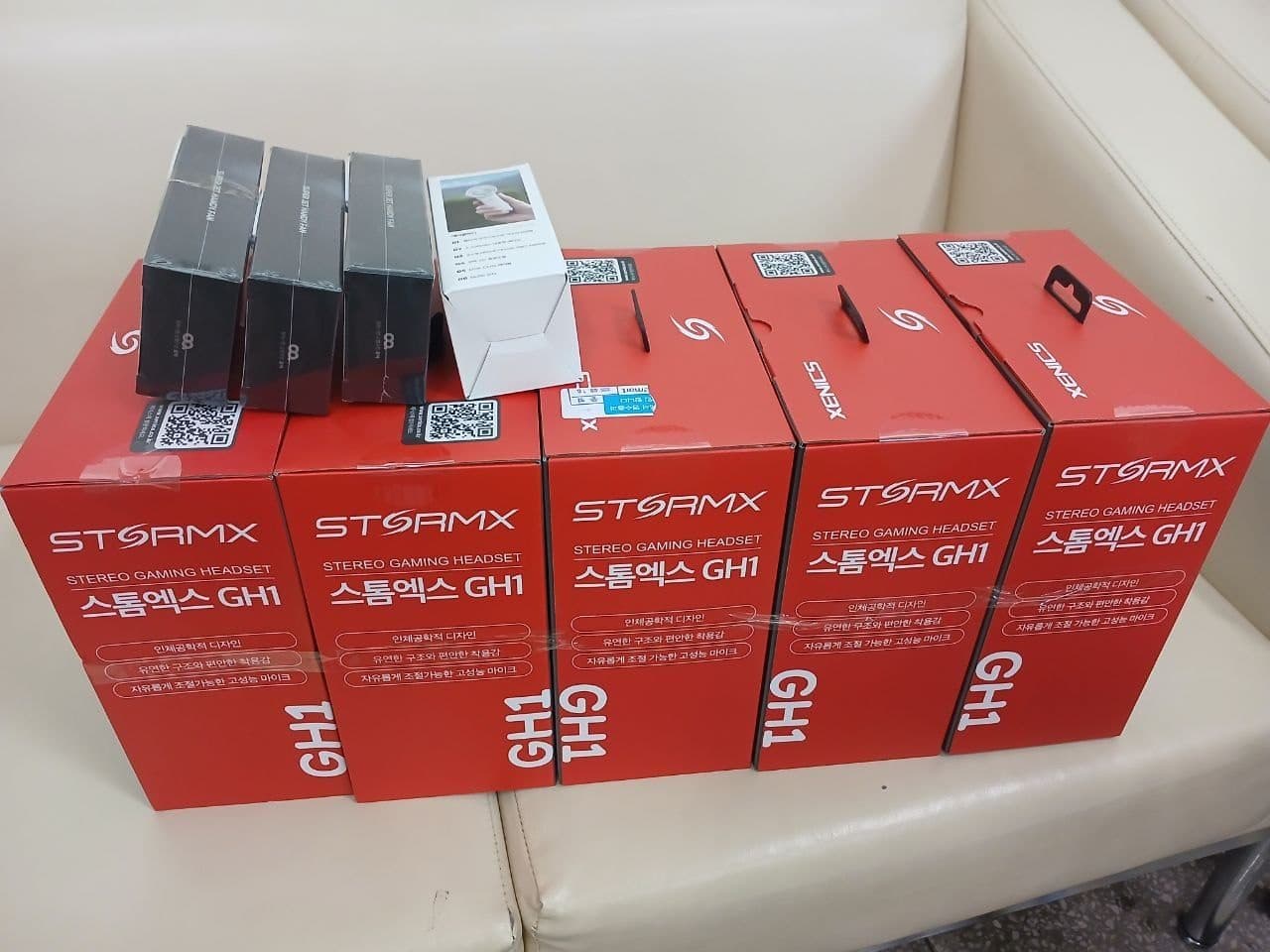
The game classmates enjoy most receives an award the next week. Children use feedback to improve their games.
05
Adapt a finished game
Children explore a finished game by the teacher, then change its characters and rules to make it their own.
06
Learning activity records
Plays, likes and changes are recorded automatically to show participation and creative activity.
Chapter 1
Describe the game you want to make
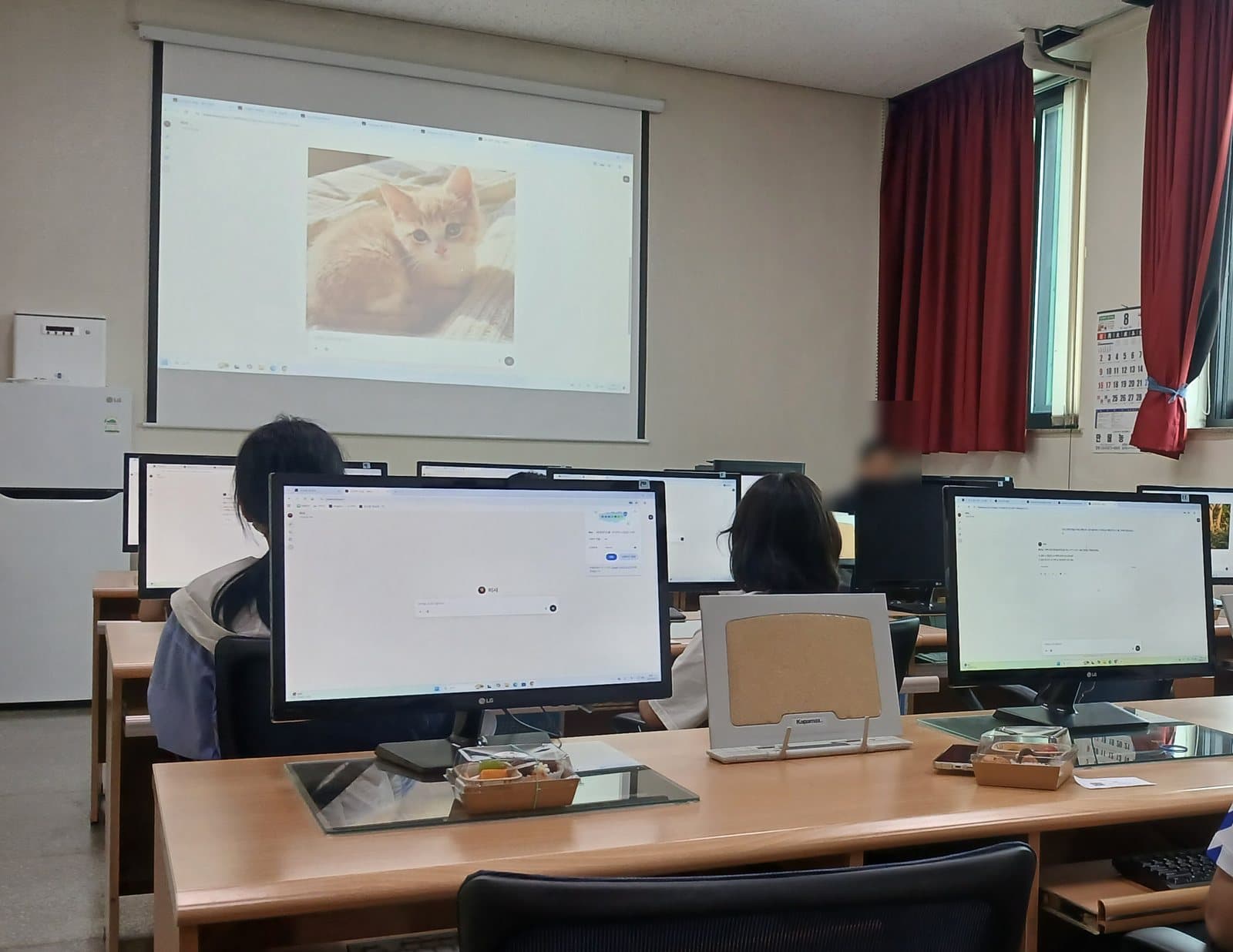
Describe the game you want. Play what AI creates, explain what to change and try again.
Practice explaining ideas clearly. Choose how characters move and how the game works.
On the first day, the children made 12 games. They adapted the same example into running games, jump maps, collecting games, a gardening game and tag.
Chapter 2
Improve games with feedback from friends
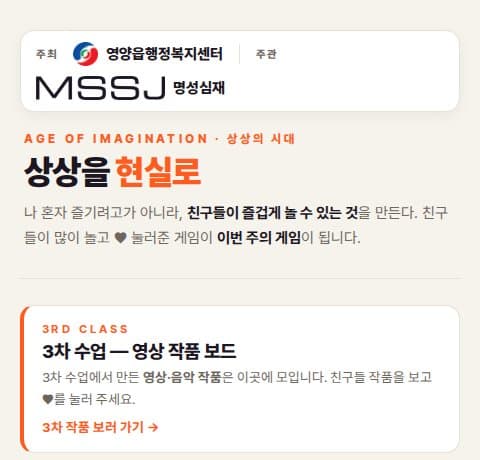
Share finished games in the class Playground. Play with friends and exchange likes. Over four weeks, the children played or watched each other's works 1,415 times.
Popular games receive weekly awards. Children learn from their friends' reactions and make their games more enjoyable.
The Playground recorded 138 plays on weekdays between classes.
116
works posted (36 games + 80 videos and music)
1,415
plays and views of each other’s works
198
likes
Chapter 3
Technical help during class
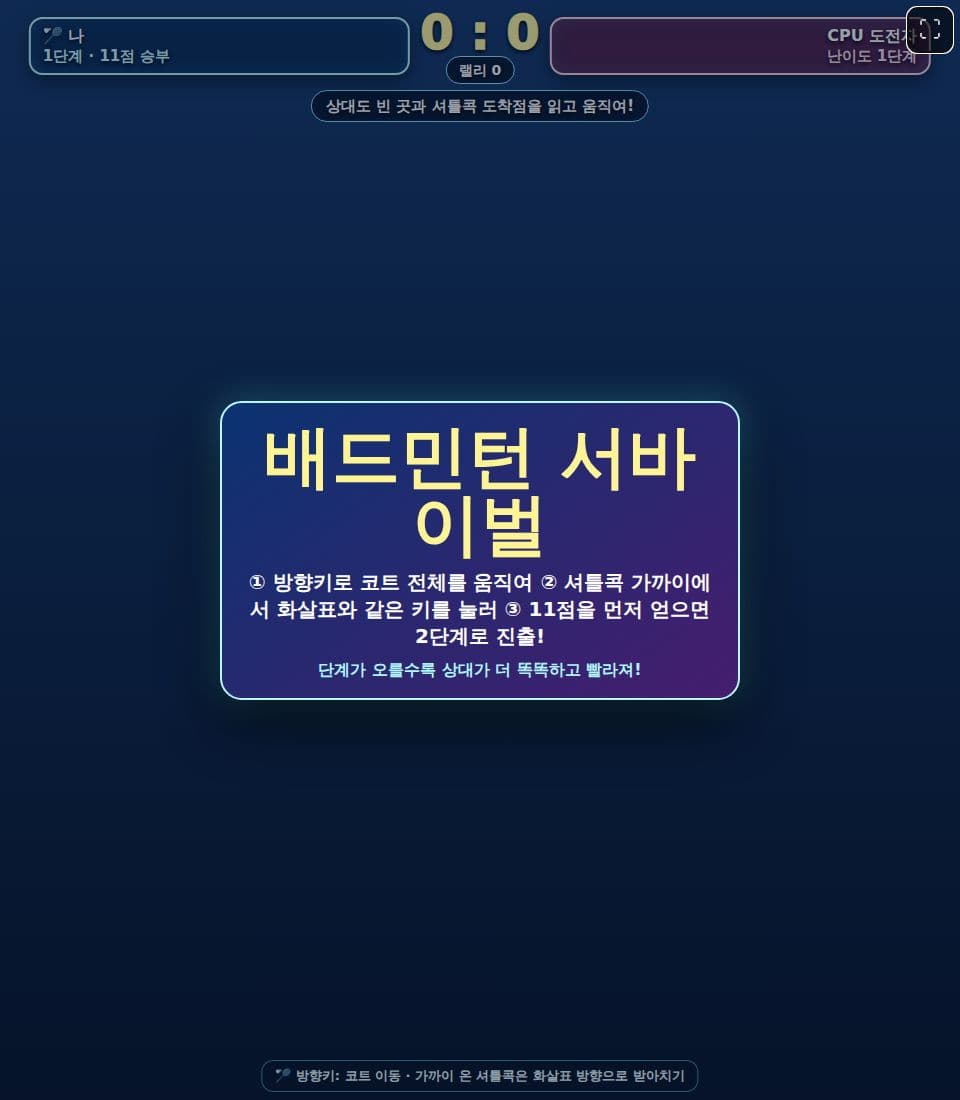
Remote support restored rallies in a badminton game in 7 minutes. The child continued testing ideas such as court movement and curve shots.
The team handles technical problems. Children stay in charge of their ideas and finish their own work. Support is available during class.
Across the four-week course, technical problems were resolved during class in 10 minutes on average. Support helped children continue creating.
Chapter 4
Add your ideas to a finished game
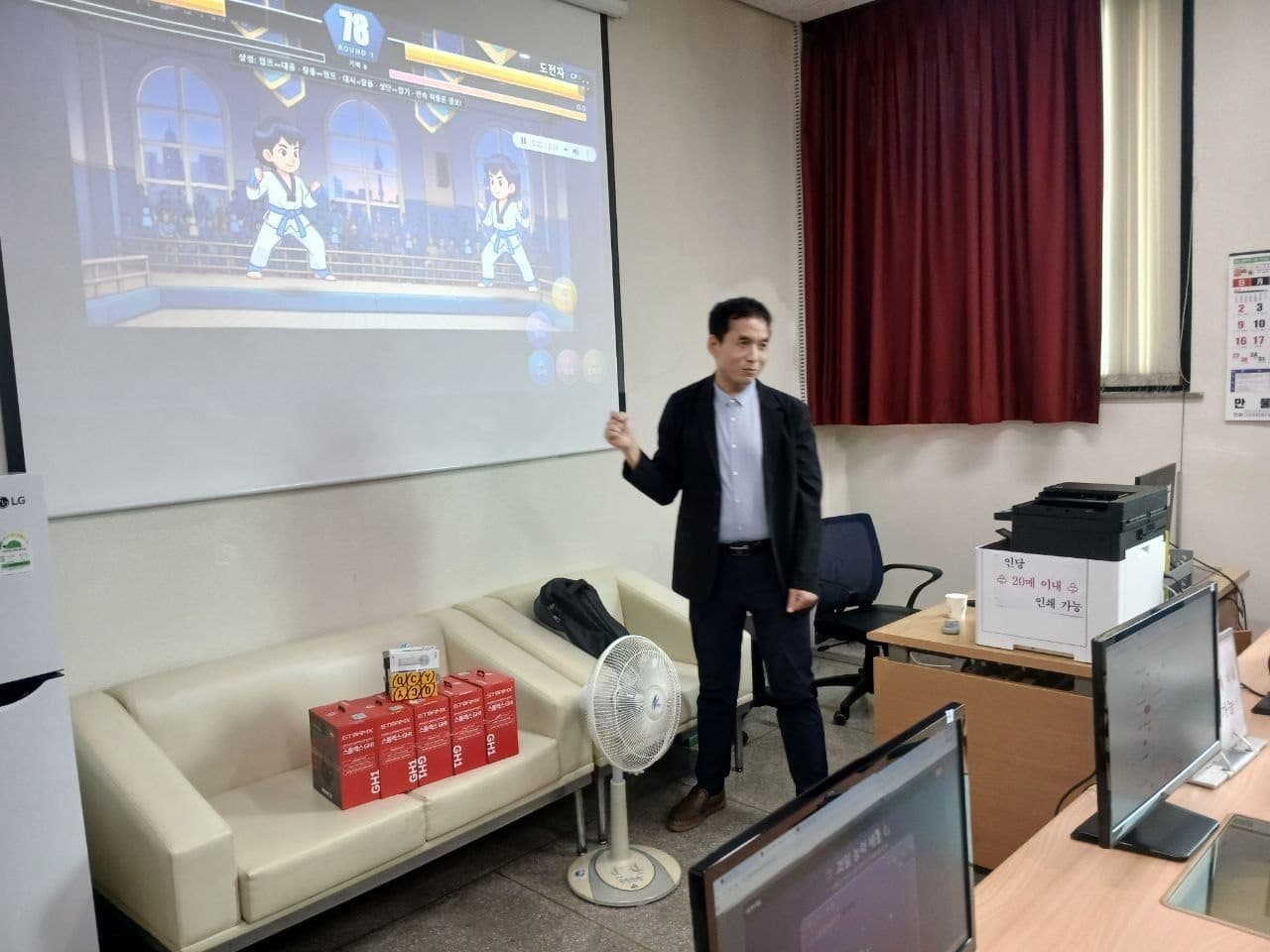
In the last week, children explored the teacher's finished game, Taekwon Wave, and adapted it into their own versions. Every participating child completed a game.
Practice changing game features and rules. Children described changes to the special-move gauge and the movements of the opponent.
One child repeatedly asked for a smarter opponent, exploring how its movements could make the game more fun.
More than half of the children went on to make new games about badminton, survival and their own daily lives.
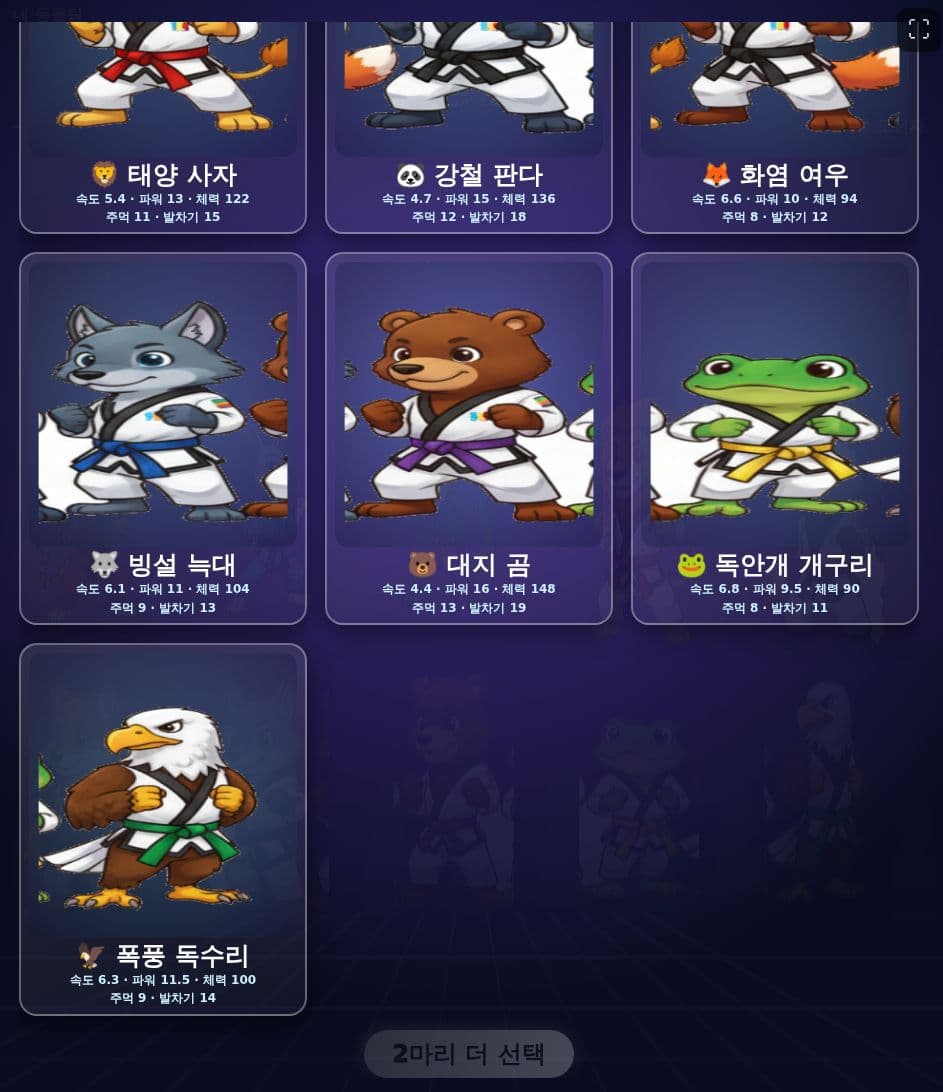
A remix that changed the main character into an animal
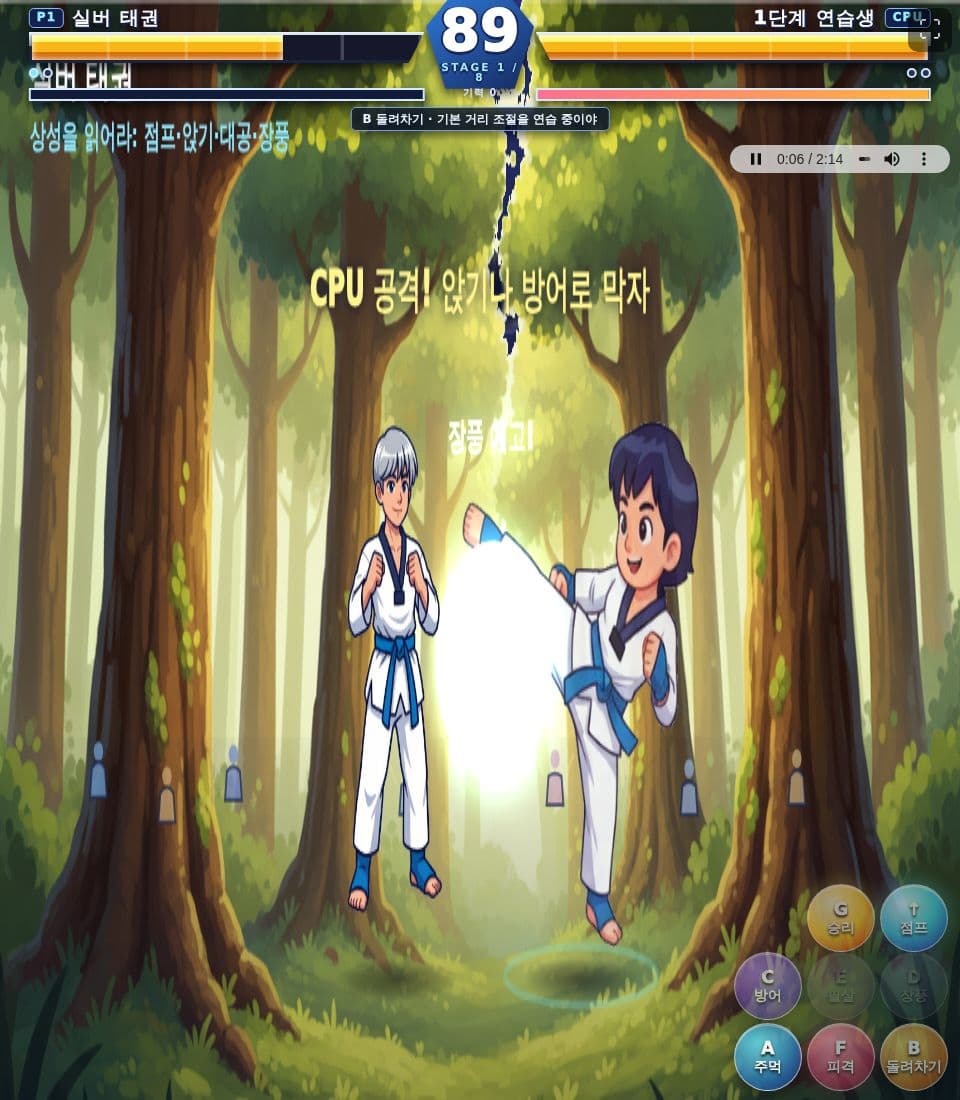
A fighting version in the child’s own colors
A different sport, built on the structure of a fighting game
Chapter 5
AI creative education in your community
At a community service center in Yeongyang, North Gyeongsang Province, children learned to make games with words. They turned their ideas into games and shared them with friends.
The four-week course combined game creation tools, a class Playground and technical support during lessons. We used a similar approach in classes for public officials and at a welfare center for people with disabilities.
Children adapted a finished game into their own work. They practiced describing an idea and turning it into something they could play and share.
Learning activity records
Plays, likes and changes were recorded automatically. Results were submitted to the commissioning agency in the final report of the four-week course. Children are identified by anonymous nicknames.
Discuss AI training for your organization
We discuss AI training for local children's centers, schools, lifelong learning centers and companies. Explore creative tools, shared projects and classroom support together.
“Imagination to Reality”, a four-week AI game-making course for elementary school children (July 27 to August 17, 2026) · Host: Yeongyang-eup Community Service Center · Organizer: Myeongseong Simjae (MSSJ) · Education tool: SimThink OS (built by MSSJ)